COLOMBIA
Permaculture &
Bioconstruction
in Latin America
︎︎︎ community living
︎︎︎ sustainable farming
︎︎︎ agroforestry
︎︎︎ microorganisms
︎︎︎ composting
︎︎︎ fertilizer
︎︎︎ water storage
︎︎︎ irrigation systems
︎︎︎ bamboo construction
︎︎︎ earthern plaster
Bioconstruction
in Latin America
︎︎︎ community living
︎︎︎ sustainable farming
︎︎︎ agroforestry
︎︎︎ microorganisms
︎︎︎ composting
︎︎︎ fertilizer
︎︎︎ water storage
︎︎︎ irrigation systems
︎︎︎ bamboo construction
︎︎︎ earthern plaster
My practice is shaped by a deep interest in ecological and socially engaged forms of design. During two years of living and learning across Latin America, I engaged with permaculture and bioconstruction communities through hands-on, situated forms of research into regenerative agriculture, natural building, and ecological ways of living. These experiences continue to inform my approach to life-centred design and my exploration of how design can foster more attentive relationships between people, communities, and the living world.
Permaculture is a design system that draws from the patterns and relationships found in nature to create sustainable ways of living. It integrates land, resources, ecosystems and people through principles that promote interdependence, resilience, and regeneration.
Bioconstruction is a sustainable construction approach that emphasizes the use of natural, locally sourced, and minimally processed materials, together with ecological design principles, to reduce environmental impact and foster more reciprocal relationships between human habitation and natural systems.
Permaculture is a design system that draws from the patterns and relationships found in nature to create sustainable ways of living. It integrates land, resources, ecosystems and people through principles that promote interdependence, resilience, and regeneration.
Bioconstruction is a sustainable construction approach that emphasizes the use of natural, locally sourced, and minimally processed materials, together with ecological design principles, to reduce environmental impact and foster more reciprocal relationships between human habitation and natural systems.



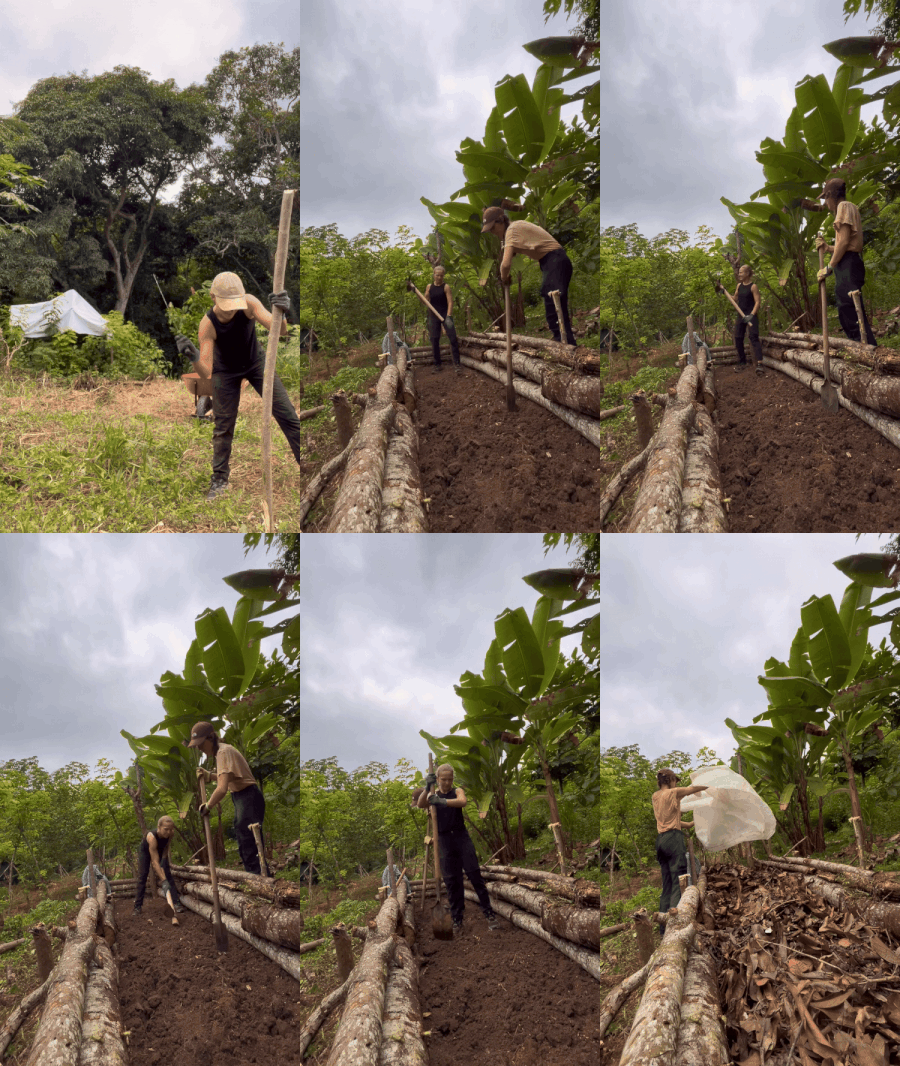
Permaculture is based on observing nature and designing systems that work with, rather than against, natural processes. It encourages using resources wisely by capturing energy, recycling waste, and valuing renewable materials. Diversity, integration, and small, gradual solutions are key to creating resilient and productive environments. The approach emphasizes thoughtful design, where every element supports others, creating efficient and regenerative systems. At its core, permaculture aims to meet human needs while restoring and enriching the ecosystems we depend on.
The permaculture design process involves observing the land, analyzing its features, identifying needs and goals, creating a site plan, implementing in phases, and adjusting based on feedback to build a sustainable, regenerative system. In this case, feedback refers to the real-world results and responses from the system you're working with, both natural and human, and it guides the adjustments made over time.
My experience with permaculture taught me to observe systems closely, identify needs, and iterate based on real-world feedback. An approach that translates directly into interaction design. Just like in nature, good design responds to its environment and evolves over time. The feedback loop (observe, act, evaluate, adjust) is key to building resilient design systems. This mindset helps create solutions that are not only functional, but adaptable and sustainable.
The permaculture design process involves observing the land, analyzing its features, identifying needs and goals, creating a site plan, implementing in phases, and adjusting based on feedback to build a sustainable, regenerative system. In this case, feedback refers to the real-world results and responses from the system you're working with, both natural and human, and it guides the adjustments made over time.
My experience with permaculture taught me to observe systems closely, identify needs, and iterate based on real-world feedback. An approach that translates directly into interaction design. Just like in nature, good design responds to its environment and evolves over time. The feedback loop (observe, act, evaluate, adjust) is key to building resilient design systems. This mindset helps create solutions that are not only functional, but adaptable and sustainable.
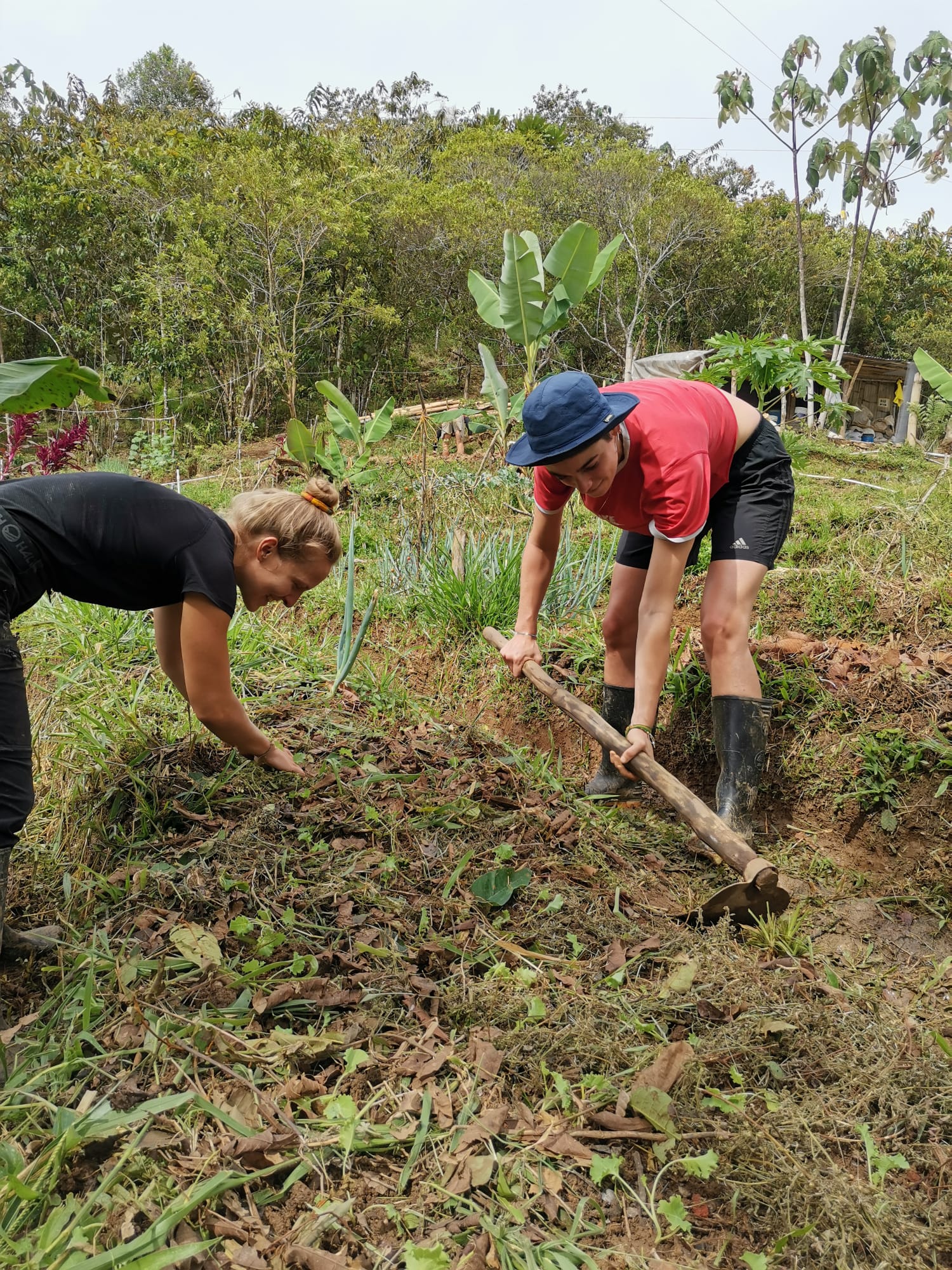
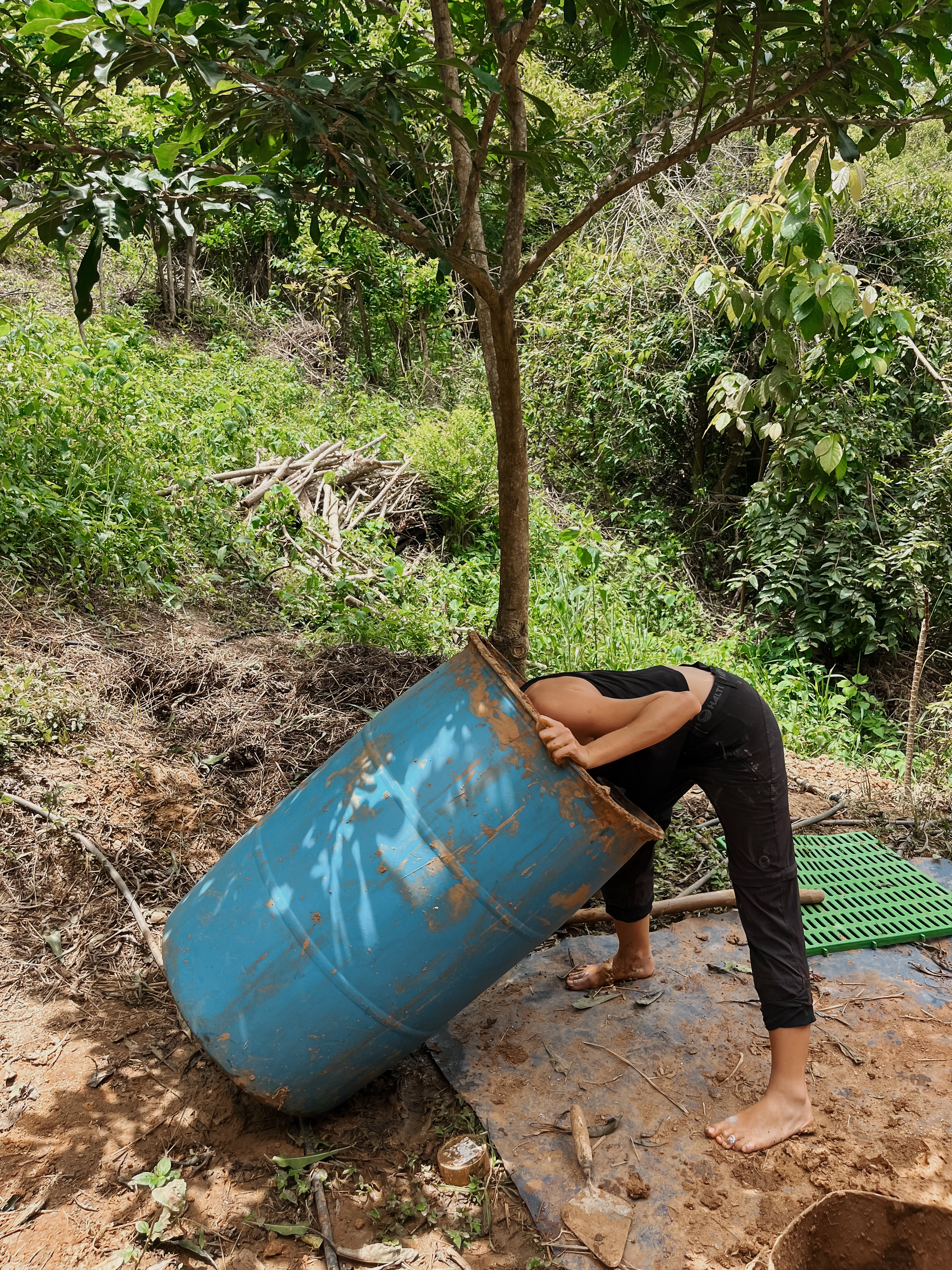

Mulching fields, mixing clay and witnessing the
rewards of the harvest come to life.
rewards of the harvest come to life.
Healthy, fertile soil is the foundation of productive agriculture. Permaculture emphasizes composting, mulching, and minimizing soil disturbance, which leads to better water retention, nutrient cycling, and long-term soil fertility. It also encourages planting diverse species: plants, trees, and animals, that all work together, supporting a balanced ecosystem. This helps control pests naturally, supports pollinators, and prevents disease spread.
Permaculture systems are designed to be resilient to climate change and natural disasters. By growing diverse crops and creating closed-loop systems, where waste becomes a resource, people become less dependent on external inputs, increasing self-sufficiency.
These ecological principles also offer valuable perspectives for interaction design. Healthy systems depend on diversity, interdependence, adaptability, and long-term resilience — shifting design beyond isolated solutions toward creating relationships, participatory systems, and conditions that can sustainably support both people and the environments they inhabit.

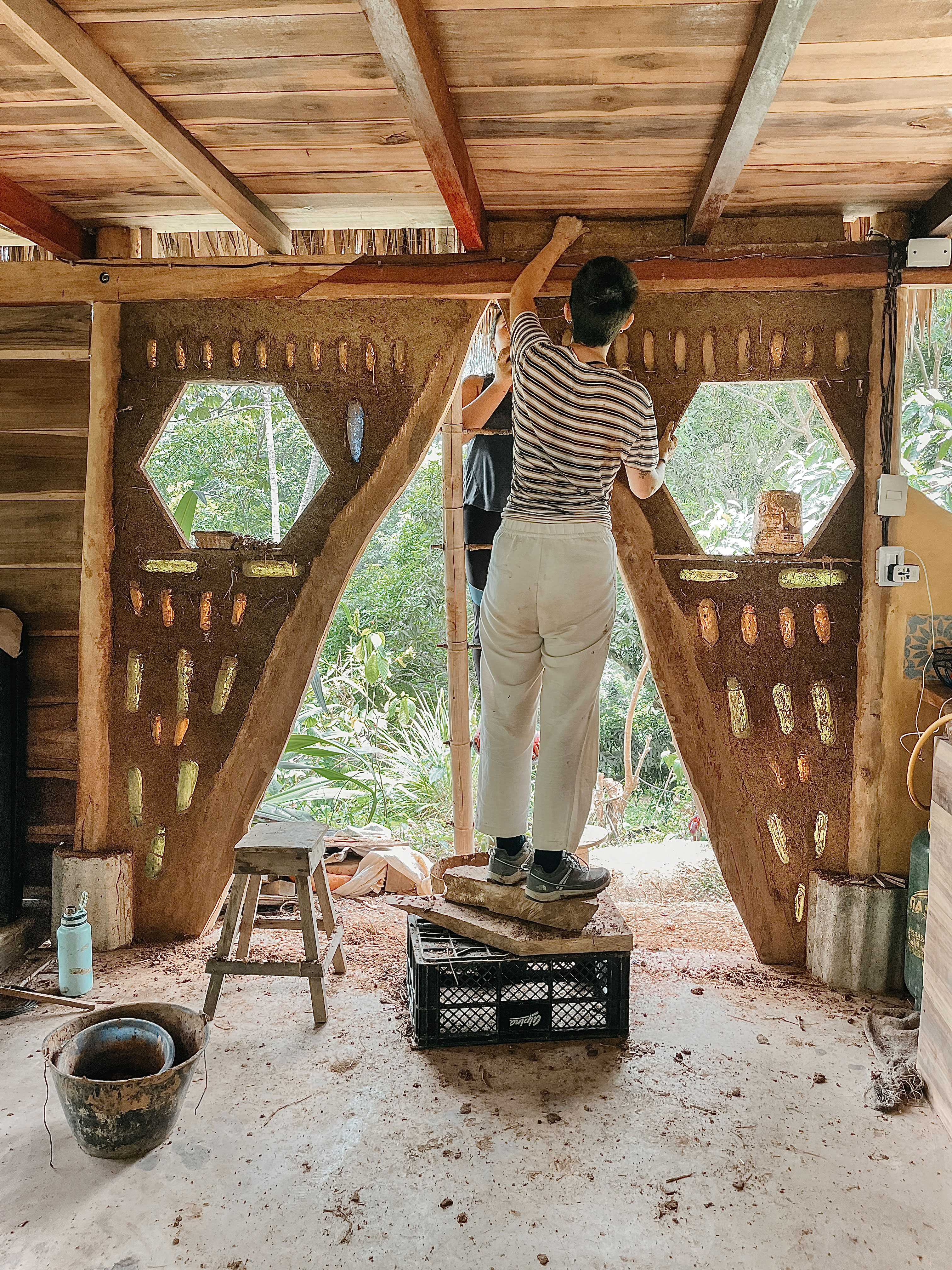

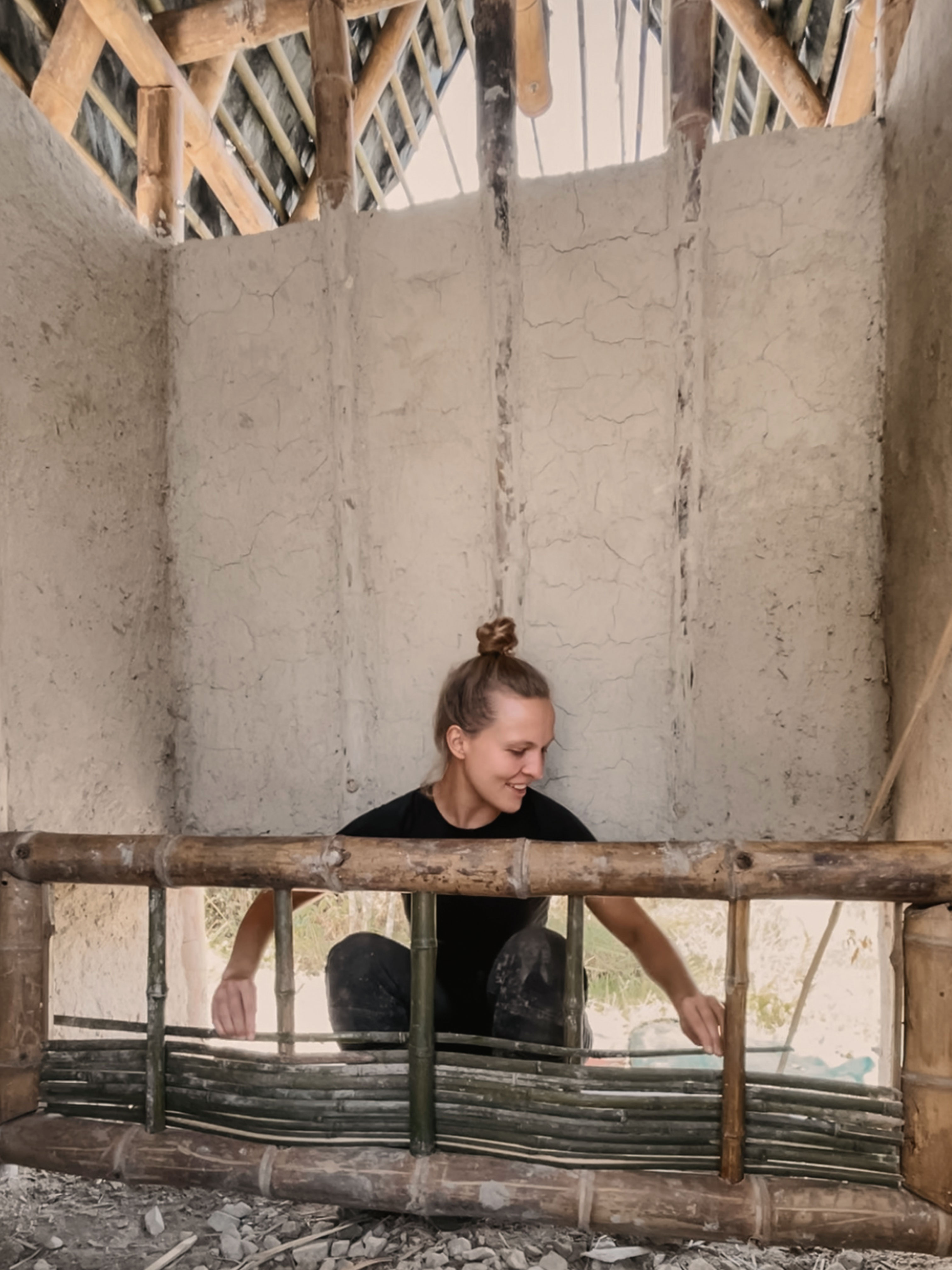
Immersing myself fully in bioconstruction –
from clay to bamboo, crafting with nature’s materials!
from clay to bamboo, crafting with nature’s materials!
Bioconstruction approaches building as a relationship between materials, people, and the surrounding environment. Working with locally available resources such as clay, bamboo, and recycled materials not only reduces environmental impact, but also creates a stronger connection to place, climate, and community.
Beyond construction itself, bioconstruction represents a collaborative way of designing based on participation, shared learning, and working in dialogue with natural systems. In contrast to increasingly efficiency-driven and optimised digital systems, it emphasises resilience, adaptability, and long-term care. It suggests that meaningful interactions are not created through speed and frictionless optimisation alone, but through participation, reciprocity, and sustained relationships between people, technology, and the environments they inhabit.
Copyright © 2026 - all rights reserved Impressum Datenschutz